
Luxury Vinyl Plank Flooring
Luxury vinyl plank flooring has become one of the most popular choices for homeowners who want the look of hardwood without the high cost or maintenance. This flooring option combines realistic wood-like appearance with practical benefits like waterproof construction and easy installation. Whether you're updating a kitchen, basement, or living room, understanding what makes this flooring work can help you make a smart choice.
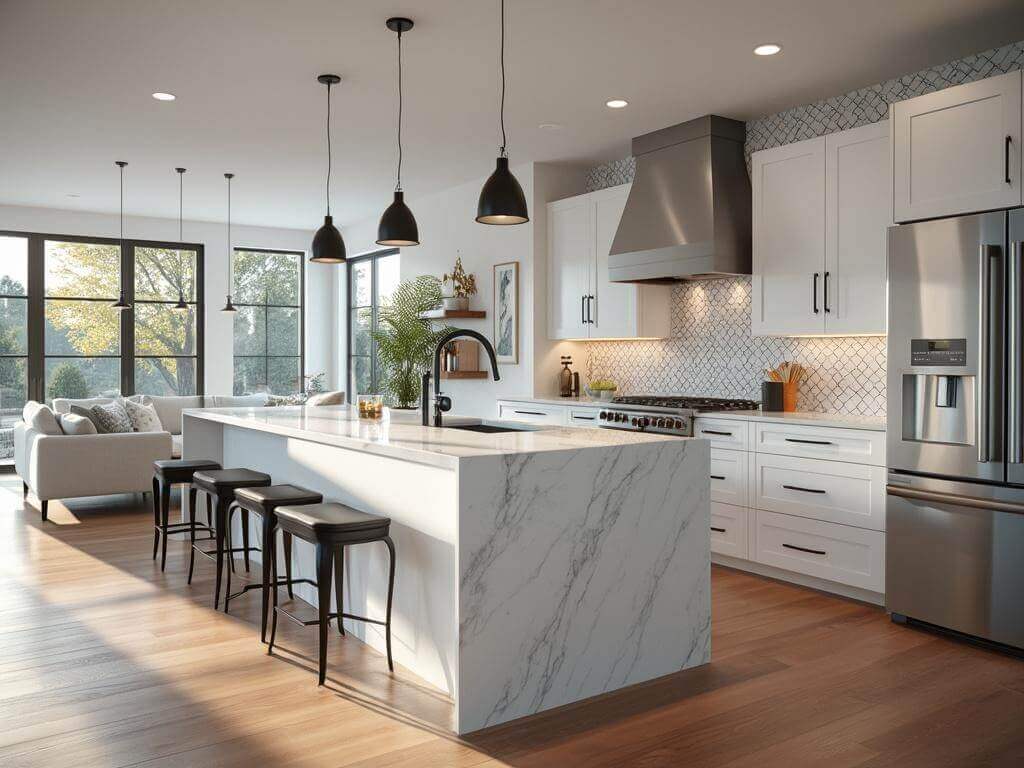
Luxury vinyl plank flooring gives you durable, water-resistant floors that look like real wood at a fraction of the price, making it ideal for almost any room in your home. The technology behind these planks has improved significantly in recent years. You now have access to products with detailed wood grain textures, wide plank options, and protective wear layers that stand up to daily wear.
This guide walks you through everything you need to know about luxury vinyl plank flooring. You'll learn about different types and core materials, how installation works, where this flooring performs best, and how to compare brands and prices. By the end, you'll have the knowledge to pick the right flooring for your space and budget.
Key Features and Types of Luxury Vinyl Plank
Luxury vinyl plank flooring comes in different formats and constructions that affect both performance and appearance. The wear layer thickness, surface finish, and plank dimensions determine how well your floors will hold up and how realistic they look.
Luxury Vinyl Plank (LVP) vs. Luxury Vinyl Tile (LVT)
LVP and LVT are both forms of luxury vinyl flooring, but they differ in shape and the materials they mimic. Luxury vinyl planks are rectangular pieces designed to replicate hardwood flooring. They typically measure 36 to 48 inches long and 6 to 9 inches wide.
Luxury vinyl tile comes in square or rectangular shapes that resemble stone, ceramic, or porcelain tiles. LVT usually measures 12x12 inches or 18x18 inches.
Both formats offer water resistance and durability. Your choice depends on the look you want to achieve in your space.
Construction and Wear Layer Thickness
The wear layer is a clear protective coating on top of your vinyl plank floors that guards against scratches, stains, and daily wear. This layer is measured in mils, with one mil equal to one-thousandth of an inch.
Residential LVP typically features wear layers ranging from 6 mil to 20 mil. For standard traffic areas, an 8 to 12 mil wear layer provides adequate protection. If you have children or pets, you should consider 12 mil or higher for better longevity.
Commercial settings often require 20 mil or thicker wear layers. A thicker wear layer costs more but extends the life of your flooring significantly.
Surface Finishes and Plank Widths
Surface finishes on luxury vinyl planks include smooth, embossed, and hand-scraped textures that replicate real wood grain patterns. Embossed finishes align the texture with the printed wood pattern for a more authentic appearance.
Plank width affects the overall aesthetic of your space. Narrow planks of 4 to 6 inches create a traditional hardwood look. Wide planks measuring 7 to 9 inches offer a modern, contemporary style and can make smaller rooms appear larger.
Some manufacturers also offer extra-wide planks up to 12 inches for a dramatic visual impact. Your choice of plank width should complement your room size and design preferences.
Installation Methods and Core Technologies
Luxury vinyl plank flooring comes with different installation approaches and core structures that affect how you install the floor and how it performs over time. Click-lock systems allow for quick floating installations, while peel and stick options offer simplicity for smaller projects, and the choice between SPC and WPC cores determines stability, comfort, and moisture resistance.
Click-Lock and Floating Floor Systems
Click-lock installation uses planks with interlocking edges that snap together without adhesive. You lay the planks over your subfloor, and they "float" as a single unit with small expansion gaps around walls and fixed objects. This method works well for most rooms and makes future removal or repairs easier than glued floors.
Floating floor systems require a level, clean subfloor. You may need underlayment for sound dampening and comfort, though some products include attached underlayment. Acclimate your planks to room temperature for 48 to 72 hours before you start.
Most click-lock vinyl plank flooring installs in one to two days for an average room. You don't need special tools beyond a utility knife, tape measure, and spacers. The floating method allows the floor to expand and contract with temperature changes, which prevents buckling in most climates.
Peel and Stick Vinyl Plank
Peel and stick vinyl features a pre-applied adhesive backing protected by a release liner. You peel off the liner and press each plank directly onto the subfloor. This approach works best on smooth, flat surfaces like concrete or existing vinyl.
Surface preparation matters more with peel and stick than floating systems. Dust, moisture, or uneven areas cause poor adhesion and premature lifting. Clean your subfloor thoroughly and fill any cracks or dips before you begin.
Peel and stick vinyl plank is often thinner than rigid-core options, making it less forgiving on imperfect subfloors. It suits low-traffic areas, rentals, or temporary installations where you want a simple process without special tools or professional help.
SPC and WPC Core Differences
SPC (stone plastic composite) cores blend limestone powder with vinyl to create a dense, rigid plank. SPC resists dents and stays dimensionally stable even in high-traffic areas or rooms with temperature swings. The rigid structure installs easily on uneven subfloors without telegraphing imperfections.
WPC (wood plastic composite) cores combine wood or bamboo fibers with plastic for a softer, quieter feel underfoot. WPC offers better sound absorption and warmth than SPC, making it popular in bedrooms and living areas where comfort matters. The core is slightly thicker and more flexible than stone plastic composite.
Feature
SPC Core
WPC Core
Density
High (stone-filled)
Medium (foam-like)
Underfoot Feel
Firm
Softer, warmer
Dent Resistance
Excellent
Good
Sound Dampening
Moderate
Better
Subfloor Tolerance
High
Moderate
Both core types resist moisture when installed correctly. Choose SPC for kitchens, basements, and commercial spaces where stability and durability matter most. Pick WPC when you want a more comfortable surface in residential rooms with moderate traffic.
Performance, Durability, and Application Areas
Luxury vinyl plank flooring delivers reliable performance across different environments through its waterproof construction and protective wear layers. The material handles moisture better than traditional hardwood while offering resistance to daily wear patterns that affect most floors.
Waterproof and Scratch Resistance
LVP flooring provides complete waterproof protection, making it different from water-resistant options that only slow moisture penetration. The waterproof core prevents damage from spills, humidity, and standing water. This makes luxury vinyl flooring suitable for areas where wood would warp or buckle.
The wear layer determines scratch resistance in vinyl wood flooring. Products with wear layers of 12 mils handle normal household traffic, while 20-mil or thicker layers resist scratches from pet nails and furniture movement. Stone plastic composite (SPC) cores add dent resistance through their limestone and PVC blend, creating a denser plank structure.
Vinyl tile flooring still shows damage from sharp objects like dropped knives or dragged furniture with metal edges. The protective coating resists everyday scratching but cannot be refinished like hardwood when deeper damage occurs.
Suitability for High-Traffic and Wet Areas
High-traffic zones need luxury vinyl flooring with thicker wear layers and rigid core construction. Entryways, hallways, and living rooms benefit from SPC cores that resist compression from repeated foot traffic and heavy furniture weight.
Wet areas like bathrooms, laundry rooms, and basements work well with waterproof flooring because moisture cannot penetrate the core layers. Kitchen installations handle spills without damage, though you should wipe up standing water promptly to prevent issues with seams over time.
Glue-down installations work better in basement spaces where flooding risks exist. The adhesive bond prevents water from traveling underneath planks. Floating floors can trap moisture between the subfloor and planks if water seeps through the edges.
Transition Strips and Room Transitions
Transition strips connect lvp flooring to other floor types or account for height differences between rooms. You need these strips where vinyl meets carpet, tile, or hardwood to create a clean edge and prevent tripping hazards.
T-molding strips work for transitions between rooms at the same height. Reducer strips handle height changes when vinyl sits higher than adjacent flooring. End caps finish vinyl edges at doorways or stairs.
Most manufacturers provide matching transition strips in the same color and texture as your planks. Metal or wood transitions offer alternative looks but may not match as closely. Install transitions at doorways rather than in the middle of open spaces to maintain visual flow and allow for the expansion gaps that floating floors require.
Comparing Brands, Value, and Buying Tips
When choosing luxury vinyl plank flooring, the brand you select and how you evaluate value will directly impact both your upfront costs and long-term satisfaction. Understanding which brands offer the best performance for your budget and knowing what to look for in terms of style and durability will help you make a confident purchase.
Top Brands: COREtec and Featured Collections
COREtec stands out as one of the most recognized names in luxury vinyl plank flooring. The brand pioneered rigid-core technology and continues to offer some of the most durable waterproof floors on the market. COREtec floors typically feature SPC or WPC cores with wear layers ranging from 12 mil to 22+ mil, making them suitable for both residential and commercial applications.
Their COREtec Advanced+ and COREtec Pro Plus lines are featured collections that include attached cork underlayment for better sound reduction and comfort underfoot. These products work well in high-traffic areas and homes with pets.
Shaw, Karndean, and Mohawk also rank among the top-tier brands. Shaw Floorté Elite offers realistic wood-grain textures and strong warranties. Karndean's Art Select collections focus on design variety with premium visuals. Each brand has specific strengths, so compare wear layer thickness and core type before deciding.
How to Find the Lowest Price and Best Value
The lowest price doesn't always mean the best value. Entry-level vinyl with a 4 to 6 mil wear layer costs $3 to $5 per square foot installed, but it won't hold up as well in busy areas. Mid-range options with 12 to 15 mil wear layers run $5 to $8 per square foot and offer better durability for most homes.
Premium products with 20 mil or thicker wear layers cost $8 to $12+ per square foot but can last 20 to 25 years. Compare the cost per year of use rather than just the upfront price. A $10 per square foot floor that lasts 25 years costs less annually than a $4 floor that needs replacing in 7 years.
Ask retailers about bulk pricing or end-of-line discounts on quality products. Shop during off-peak seasons when installers may offer lower labor rates.
Evaluating Style, Performance, and Maintenance
Look for vinyl planks with deeper embossing and varied grain patterns if you want realistic wood looks. Longer planks (48 inches or more) and wider widths (7 to 9 inches) create a more authentic appearance with fewer seams.
For performance, check three key specs: wear layer thickness (20+ mil for pets or high traffic), waterproof core type (WPC for comfort, SPC for durability), and warranty coverage. Make sure the warranty doesn't require unrealistic maintenance or void coverage for DIY installation if you plan to install it yourself.
Maintenance stays simple with luxury vinyl plank. Regular sweeping and damp mopping with pH-neutral cleaner keeps most floors looking good. Avoid steam mops and harsh chemicals that can damage the wear layer over time.
Frequently Asked Questions
Luxury vinyl plank flooring raises practical questions about cost, performance, and maintenance. Understanding waterproof ratings, cleaning methods, and how LVP compares to other materials helps you make an informed decision.
How do I choose the best option for my home and budget?
Start by identifying which rooms need new flooring and what challenges they face. High-traffic areas like hallways need thicker wear layers, typically 12 mil or higher. Kitchens and bathrooms require waterproof core construction, not just water-resistant surfaces.
Your budget determines thickness and quality. Entry-level LVP costs $2 to $4 per square foot for materials. Mid-range options run $4 to $7 per square foot and offer better wear layers and realistic textures.
Look at the core type when comparing products. WPC cores provide more cushioning underfoot and work well in living spaces. SPC cores are denser and more stable, making them better for rooms with temperature fluctuations.
Check the warranty length and what it covers. Residential warranties typically range from 10 to 30 years. Longer warranties usually indicate better quality materials and construction.
What are the main advantages and disadvantages compared with hardwood or laminate?
LVP costs less than hardwood, with materials ranging from $2 to $7 per square foot versus $5 to $15 for hardwood. Installation is simpler because most LVP uses click-lock systems that float over existing floors.
Water resistance gives LVP a major advantage over both hardwood and laminate. Hardwood warps when exposed to moisture. Laminate has a wood fiber core that swells if water seeps through the seams.
LVP feels softer underfoot than hardwood or laminate. The vinyl composition provides some give, which reduces fatigue during long periods of standing.
Hardwood can be refinished multiple times over decades. LVP cannot be refinished once the wear layer is damaged. You need to replace damaged planks instead.
Laminate often sounds hollow when you walk on it. LVP typically produces less noise, especially when installed with underlayment.
Hardwood adds more resale value to your home than LVP. Buyers view real wood as a premium feature worth paying extra for.
How much does installation typically cost per square foot, including materials and labor?
Professional installation costs $3 to $8 per square foot for labor alone. The total project cost ranges from $5 to $15 per square foot when you include materials.
Several factors affect installation pricing. Removing old flooring adds $1 to $3 per square foot. Subfloor repairs cost $2 to $5 per square foot depending on damage severity.
Room layout impacts labor costs. Spaces with many corners, doorways, or angles require more cuts and take longer to complete. Simple rectangular rooms cost less to install.
Some installers charge minimum fees for small projects. A 100-square-foot bathroom might cost proportionally more per square foot than a 500-square-foot living room.
DIY installation eliminates labor costs but requires tools and time. You need a utility knife, straight edge, tapping block, and pull bar at minimum.
What should I look for in reviews when comparing different brands and product lines?
Pay attention to comments about the wear layer durability after several years of use. Reviews mentioning scratches, dents, or fading within the first two years indicate quality problems.
Look for feedback about installation difficulty. Planks that don't click together easily or have inconsistent tongue-and-groove connections create gaps and uneven surfaces.
Check what customers say about color accuracy. Some products look different in person than in photos, with colors appearing duller or less realistic.
Water exposure reviews tell you if waterproof claims hold up. Search for mentions of flooding, pet accidents, or spills that sat for extended periods.
Note complaints about off-gassing or chemical smells. Strong odors that persist for weeks suggest lower-quality manufacturing processes.
Consider the number of reviews and overall rating patterns. A product with 500 reviews averaging 4.2 stars provides more reliable information than one with 20 reviews at 4.8 stars.
Is it truly waterproof, and what does waterproof mean in real-world use?
Waterproof LVP has a solid vinyl or composite core that does not absorb water. Water can sit on the surface or seep between planks without causing swelling or damage to the flooring itself.
The subfloor underneath remains vulnerable to water damage. Waterproof flooring protects the planks, not the wood or concrete below them. Large spills that spread beyond the flooring perimeter can still damage baseboards and walls.
Water-resistant LVP tolerates light moisture but is not fully waterproof. These products work fine for normal household spills if you clean them quickly. Standing water left for hours can cause problems.
Check the installation method because it affects water protection. Floating floors with click-lock systems have small gaps between planks where water can seep through. Glue-down installations create a tighter seal.
Waterproof ratings apply to the plank material, not the entire installation. Improperly sealed edges around toilets, tubs, or doorways allow water to reach the subfloor.
What is the best way to clean and maintain it without damaging the wear layer?
Sweep or vacuum your floors daily to remove dirt and grit. Small particles act like sandpaper under foot traffic and gradually wear down the protective layer.
Use a damp mop with plain water or a pH-neutral cleaner made specifically for vinyl flooring. Avoid steam mops because excessive heat can loosen adhesive in glue-down installations or damage the wear layer.
Wipe up spills immediately even though the flooring is waterproof. Liquids like wine, coffee, or juice can stain if left sitting for extended periods.
Place doormats at entrances to catch dirt and moisture before they reach your floors. Felt pads under furniture legs prevent scratches when you move chairs or tables.
Never use abrasive scrubbers, steel wool, or harsh chemicals like bleach or ammonia. These products strip away the protective coating and dull the finish. Avoid oil-based cleaners or polishes that leave residue and make floors slippery.
.jpg)

